

Table of Contents:
- What is Biotin and Why is Everyone Talking About It
- What is Biotin For: Main Functions in the Body
- Signs of Biotin Deficiency: How to Know You’re Lacking It
- How to Take Biotin: Dosage and Forms
- Biotin in Foods: Where It Is Found
- Are There Any Side Effects of Biotin
- How to Choose Quality Biotin: What to Look For
- Conclusion: Is It Worth Taking Biotin
You take care of your hair, drink collagen, change shampoos — yet it still falls out. Nails break at the slightest touch, and your skin looks tired even after eight hours of sleep. Sound familiar? Perhaps the issue isn’t external care but what your body lacks internally. And the name of this deficiency is biotin.
What is Biotin and Why is Everyone Talking About It
Biotin (Vitamin B7, or Vitamin H) is a water-soluble B-vitamin that plays a key role in the metabolism of fats, carbohydrates, and proteins. It is involved in the synthesis of keratin — the main protein that makes up hair and nails — and also supports skin health, the nervous system, and helps regulate blood sugar levels.
That’s why biotin for hair, nails, and skin has become one of the most popular dietary supplements in the world. But its effects go far beyond just “beauty.”
What is Biotin For: Main Functions in the Body
1. Hair Health: Less Hair Loss, More Density
One of the most well-known effects of biotin is strengthening hair and reducing its
loss. Vitamin B7 participates in keratin synthesis and supports the structure of the hair follicle. With a biotin deficiency, hair becomes thin, brittle, and grows slowly.
Taking biotin as a supplement helps
- accelerate hair growth;
- reduce the rate of hair loss;
- improve elasticity and shine.
Key phrase: biotin for hair growth — this is the effect most often sought by those trying this vitamin for the first time.
2 Strong Nails: End of Brittleness
Research shows that regular biotin intake increases nail plate thickness and reduces the tendency of nails to split and break. A 3–6 month course gives noticeable results even with chronic brittleness.

3 Face and Body Skin: Hydration and Protection
Biotin for skin supports lipid metabolism in epidermal cells, which directly affects hydration levels and the protective barrier. A deficiency of vitamin B7 can manifest as dryness, flaking, dermatitis, and even rashes.
4 Energy Metabolism and Fighting Fatigue
Biotin is a cofactor for several enzymes that break down glucose, fatty acids, and
amino acids. Simply put — it helps the body convert food into energy.
If you constantly feel tired for no apparent reason, it’s worth checking your B-vitamin
levels, especially biotin.
5 Nervous System and Mood
Vitamin B7 is involved in neurotransmitter synthesis and the maintenance of the nerve myelin sheath.
Adequate biotin levels are associated with better concentration, stable mood, and
reduced anxiety.
6 Blood Sugar Control
There is evidence that biotin combined with chromium helps improve insulin sensitivity and
lower fasting blood glucose levels. This makes it particularly interesting for people with prediabetes
or a tendency for blood sugar fluctuations.
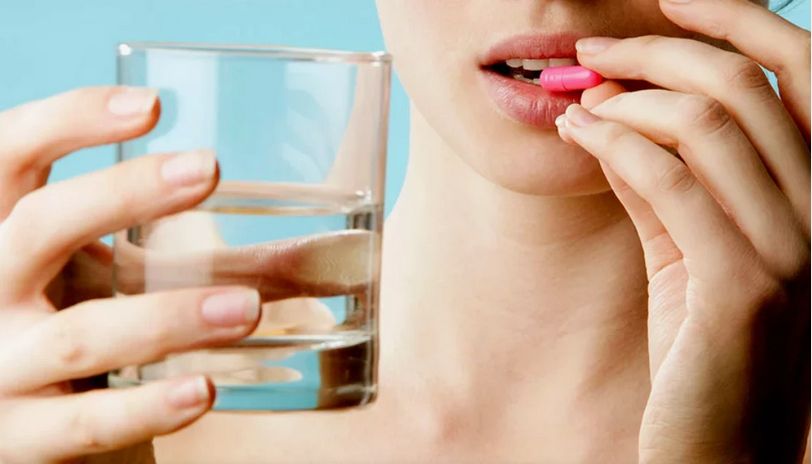
Signs of Biotin Deficiency: How to Know You’re Lacking It
The body gives clear signals when vitamin B7 levels drop below normal:
- Hair loss or the appearance of bald spots;
- Brittle and splitting nails;
- Dry, flaky, or inflamed skin;
- Chronic fatigue and muscle weakness;
- Mood swings, irritability;
- Numbness or tingling in the extremities;
- Cracks at the corners of the lips.
Risk groups: pregnant women, people who frequently consume alcohol, those on long-term antibiotics, and raw foodists (raw egg whites block biotin absorption).
How to Take Biotin: Dosage and Forms
Daily Norm and Therapeutic Doses
The official recommended daily allowance of biotin for adults is 30–35 mcg. However, supplements often contain doses from 1000 to 10,000 mcg (1–10 mg).
Therapeutic doses — from 2500 to 5000 mcg per day — are considered safe, as excess water-soluble vitamin is excreted by the kidneys.
Forms Available
- Tablets and Capsules — a convenient classic option;
- Chewable Gummies — popular among those who have difficulty swallowing capsules;
- Liquid Biotin — quickly absorbed;
- Complexes — biotin combined with zinc, vitamin E, collagen, or other B vitamins.
-
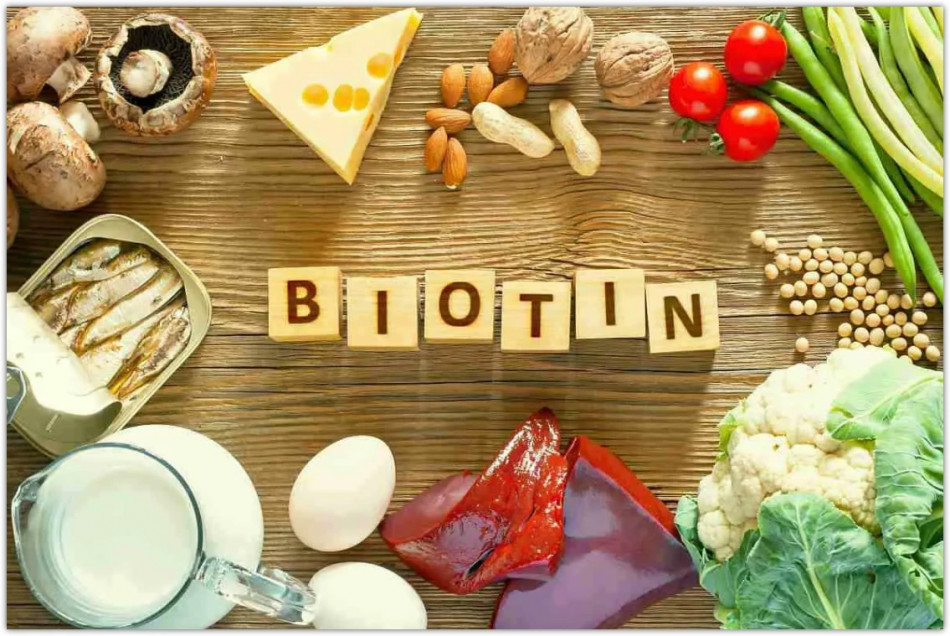
- Egg yolk (boiled);
-
- Liver and kidneys;
-
- Salmon, tuna, sardines;
-
- Nuts — especially almonds, peanuts, walnuts;
-
- Sunflower seeds;
-
- Avocado;
-
- Sweet potato (yam);
-
- Mushrooms.
-
- Dosage — for a noticeable effect, choose from 2500 mcg;
-
- Composition — minimum of dyes, preservatives, and fillers;
-
- Form — D-Biotin is the most bioavailable natural form;
-
- Manufacturer — prefer brands with GMP certification;
-
- Complex or Mono — if there are other needs (zinc, collagen), choose a complex product.
When is the best time to take it: before or after meals?
Biotin is recommended to be taken during or immediately after meals — this improves absorption.
Since it is water-soluble, the body cannot store it “for later,” so
regularity is more important than the exact timing of intake.

Biotin in Foods: Where It Is Found
If you want to naturally increase your vitamin B7 levels, include in your diet:
However, in cases of significant deficiency or increased needs, food alone may not provide
the necessary amount — this is where quality supplements come in handy.
Are There Any Side Effects of Biotin
Biotin is considered safe even in high doses — clinically significant side effects from oral intake have not been found. The only thing to remember: high doses of biotin (over 5000 mcg) may distort the results of certain laboratory tests (for example, thyroid hormones or troponin). Therefore, it is recommended to pause biotin intake 2–3 days before blood tests.
How to Choose Quality Biotin: What to Look For
When choosing a supplement, focus on:
Conclusion: Is It Worth Taking Biotin
Biotin is not a magic pill, but it is truly an effective and safe vitamin that
supports the health of hair, nails, skin, the nervous system, and energy metabolism.
It is especially relevant for those who notice deficiency signs or lead an active lifestyle
with increased demands.
If you decide to try it — choose proven products, maintain regular intake,
and give your body time: the first results are usually noticeable within 4–8 weeks.
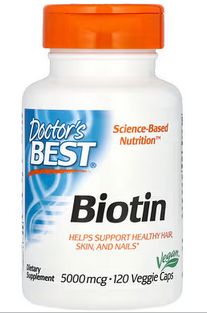
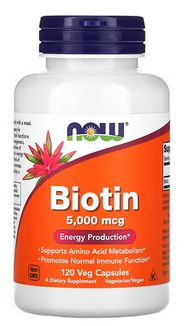
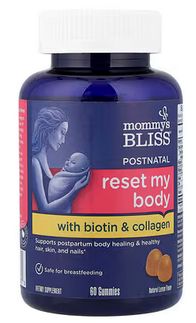
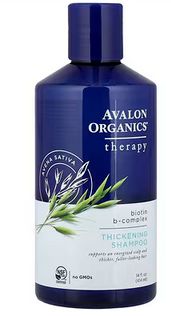
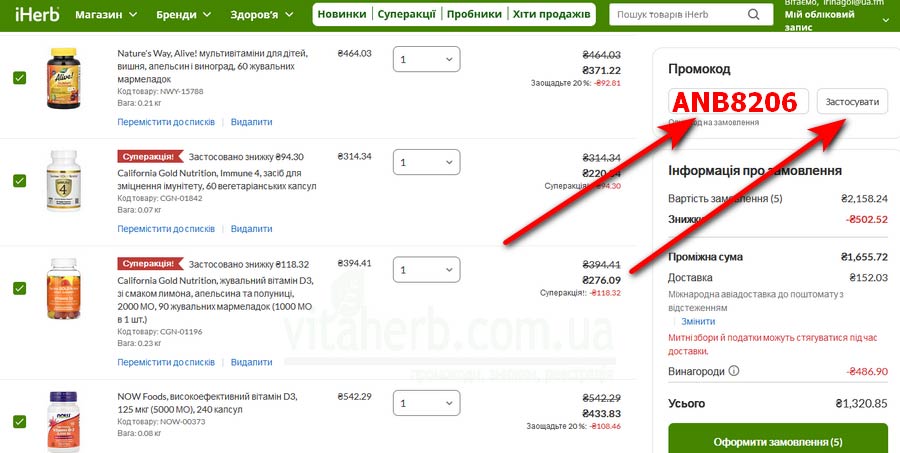
With promo code iHerbANB8206 you get a discount from 10% to 30% on your entire order.
The promo code is reusable.
Which supplement helped your child sleep better? Share in the comments — your
experience can help other parents!

FAQ: Why Should You Take Biotin?
What is Biotin?
Biotin (vitamin B7) is a water-soluble B vitamin that supports the health of hair, nails, and skin, and participates in energy metabolism and keratin synthesis.
What is Biotin Used For?
Biotin helps strengthen hair and nails, improves skin condition, supports the nervous system, and assists the body in converting food into energy.
How to Recognize Biotin Deficiency?
Main signs: hair loss, brittle nails, dry skin, chronic fatigue, mood swings, numbness in limbs, and cracks at the corners of the lips.
How to Take Biotin Properly?
Biotin is usually taken during or after meals, in doses of 2500–5000 mcg per day. Regular intake is more important than the exact time of day.
Which Foods Contain Biotin?
The highest amounts of biotin are in egg yolks, liver, fish, nuts, sunflower seeds, avocado, sweet potato, and mushrooms.
Are There Any Side Effects of Biotin?
Biotin is considered safe, but in high doses it can affect the results of some lab tests, so it’s recommended to temporarily pause intake before blood work.
How to Choose Quality Biotin?
Choose doses of 2500 mcg or more, D-Biotin form, minimal additives, and certified manufacturers.
Is It Worth Taking Biotin?
Biotin is beneficial for deficiency or issues with hair, nails, and skin. The first results are usually visible after 4–8 weeks of regular use.