Table of contents:
- Why a child sleeps poorly: causes parents should know about
- Magnesium for children’s sleep: when it really helps
- Melatonin for children: what parents should know
- Adaptogens for children’s sleep: chamomile, lemon balm, valerian
- How to understand which supplement is right for your child
- TOP sleep supplements from iHerb: what to choose
It’s already ten in the evening, and the child still isn’t asleep — tossing in bed, asking for water, inventing a hundred reasons not to fall asleep, and eventually passing out only at one in the morning together with the parents. The next morning everyone is exhausted, during the day the child is moody and inattentive, and in the evening everything repeats again. If this picture sounds familiar — you are not alone. According to various estimates, from 20 to 40% of children have some form of sleep disturbance, and parents are increasingly looking for gentle, natural help — not sedative medications, but something safe that will help the child relax and fall asleep without stress. The most common question is: what is better — magnesium, melatonin, or adaptogens? The answer depends on why exactly the child sleeps poorly — let’s figure it out together with Vitaherb.
Why a child sleeps poorly: causes parents should know about
Before buying any supplement, it’s important to understand the cause of the problem. Poor sleep in children is not a whim and not “just personality,” but a signal from the body.
Here are the most common causes of sleep problems in children:
| Cause | Symptoms | What may help |
| Magnesium deficiency | Muscle cramps, anxiety, difficulty relaxing before sleep | Magnesium glycinate or magnesium taurate |
| Melatonin production disruption | Hard to fall asleep, but once asleep the sleep is deep | Low doses of melatonin |
| Increased nervous system excitability | Evening overstimulation, long “cool down” after an active day | Adaptogens: chamomile, lemon balm, L-theanine |
| Stress and anxiety | Child is afraid of the dark, asks not to be left alone | Magnesium + adaptogens |
| Hyperactivity (ADHD) | Cannot “switch off,” constant movement even in bed | Magnesium + omega-3 + doctor consultation |
| Overeating or hunger | Complains about stomach discomfort, wakes up at night | Diet review |
If you notice several symptoms from this list, it makes sense to test magnesium levels and the overall condition of the nervous system before starting supplements. We wrote more about this in the article How to recognize magnesium deficiency in a child.

Magnesium for children’s sleep: when it really helps
Magnesium is one of the most important minerals for the child’s nervous system. It participates in more than 300 biochemical processes in the body, and one of its key effects is calming the nervous system and reducing cortisol levels (the stress hormone).
When can magnesium help with children’s sleep?
If a child:
- has difficulty relaxing in the evening even when tired;
- has muscle twitching or cramps at night;
- complains about “restless legs”;
- is prone to anxiety and fears before sleep;
- wakes up frequently in the middle of the night.
All these symptoms may indicate magnesium deficiency — a very common problem among school-age children, especially those who study a lot, play sports, or live in conditions of constant stress (which is particularly relevant for our children during wartime).
Which form of magnesium is best for sleep?
This is an important question because different forms of magnesium vary in absorption and effects:
- Magnesium glycinate — best absorbed, has a pronounced calming effect, does not cause stomach upset. Ideal for sleep.
- Magnesium taurate — also well absorbed, supports the nervous system.
- Magnesium citrate — affordable, but in large doses may have a laxative effect.
- Magnesium oxide — poorly absorbed, not recommended.
For children, magnesium glycinate or special children’s magnesium complexes in chewable tablets or powder form work best.
Magnesium dosage for children (approximate):
- 1–3 years: 80 mg per day
- 4–8 years: 130 mg per day
- 9–13 years: 240 mg per day
- 14–18 years (girls): 360 mg per day
- 14–18 years (boys): 410 mg per day
Important: before starting supplements, consult a pediatrician and determine the optimal dosage for your child.

Melatonin for children: what parents should know
Melatonin is a hormone naturally produced in the body that regulates the sleep-wake cycle. It begins to be produced when it gets dark and signals the brain: “time to sleep.” In some children, melatonin production is disrupted or delayed — for example, due to bright artificial lighting in the evening, long screen time, or individual body characteristics. In such cases, a small dose of melatonin from outside may help “reset” the internal clock.
When melatonin may be suitable for children:
- the child has difficulty falling asleep but sleeps well once asleep;
- the child’s schedule is shifted — they fall asleep late and wake up late;
- sleep problems are related to jet lag or schedule disruption;
- children with autism or ADHD — in such cases melatonin has shown good effectiveness in studies.
Important things to know about melatonin:
Melatonin is a hormone, not a regular vitamin supplement. This means it should be used carefully:
- Start with minimal doses — usually 0.5–1 mg 30–60 minutes before bedtime. Less is better.
- Do not give regularly for long periods without consulting a doctor — the body may become “lazy” about producing its own melatonin.
- Suitable for short-term use — to help establish a sleep schedule, not as a permanent supplement.
- Not recommended for children under 3 years old without a doctor’s prescription.
- Choose children’s forms with flavor and low doses — chewable tablets of 0.5 or 1 mg. Melatonin does not solve the cause of poor sleep — it only helps you fall asleep. If a child is anxious, overstimulated, or has magnesium deficiency, melatonin alone will not fix the situation.

Adaptogens for children’s sleep: chamomile, lemon balm, valerian
If a child cannot calm down in the evening, is overly excited after an active day, or reacts strongly to emotions and stress, mild natural adaptogens may help. These are plant-based components that gently support the nervous system and help the body adapt to stress.
The most common adaptogens for children’s sleep:
- Chamomile — one of the safest herbs for children. It has mild calming properties, reduces nervous tension, and helps the child relax before bedtime.
- Lemon balm — helps reduce anxiety and improves sleep quality. Often used in children’s calming teas and syrups.
- Valerian — has a stronger calming effect, but should be used carefully in children and only in small doses.
- L-theanine — an amino acid found in green tea. Helps relax without causing drowsiness during the day and may improve the ability to fall asleep in the evening.
Adaptogens work especially well when sleep problems are related to emotional overload, stress, new experiences, school pressure, or general nervous system sensitivity.
In what form are adaptogens best for children?
- herbal teas;
- syrups with plant extracts;
- chewable supplements;
- powders that can be mixed with water or juice.
It is important to choose products specifically designed for children, where the dosage of herbal extracts is adjusted for a child’s body.

How to understand which supplement is right for your child
Parents often ask the same question: what should we start with — magnesium, melatonin, or herbs? The answer depends on the symptoms and the child’s overall condition.
A simple guideline may look like this:
| Child’s symptoms | What may help |
| Anxiety, muscle tension, restless sleep | Magnesium glycinate |
| Difficulty falling asleep but sleeps well afterward | Low-dose melatonin |
| Overexcitement in the evening | Chamomile, lemon balm, L-theanine |
| Night awakenings and irritability | Magnesium + adaptogens |
| Irregular sleep schedule | Melatonin (short-term) |
In many cases, the best results come from combining approaches — for example, magnesium in the evening together with calming herbal extracts.
At the same time, it is important to remember that no supplement will replace proper sleep hygiene.
What really improves children’s sleep:
- a stable bedtime schedule;
- reducing screen time 1–2 hours before sleep;
- dim lighting in the evening;
- a calm bedtime routine (bath, reading, quiet games);
- a comfortable temperature in the bedroom.
TOP sleep supplements from iHerb: what to choose
On iHerb there is a great selection of high-quality and safe sleep supplements for children — available in chewable tablets as well as powder and liquid forms.
Magnesium for sleep
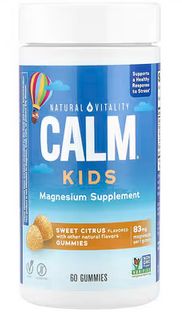
Natural Vitality CALM Kids — one of the most popular children’s magnesium complexes in chewable tablet form with a citrus flavor. It contains magnesium in a well-absorbed form and is well tolerated by children.
NaturesPlus MagKidz Animal Parade — tasty chewable tablets shaped like animals. A convenient option for children who refuse regular supplements.

Melatonin for children
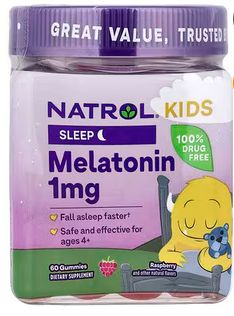
Natrol Kids Melatonin — a specially formulated children’s melatonin supplement in chewable tablets with a berry flavor. Low dose, suitable for children 4 years and older.
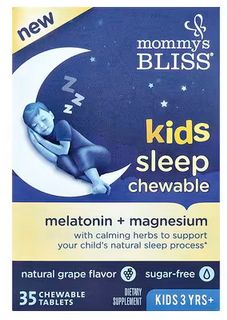
Mommy’s Bliss Kids Sleep Chewable — a combination supplement containing melatonin and magnesium in one tablet. Convenient if you want both ingredients in a single product. Suitable for children 3 years and older.
Adaptogens and calming complexes
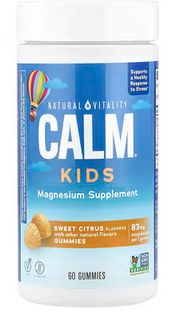
Natural Vitality CALM Kids powder — a convenient alternative to tablets for children who dislike chewing supplements. It dissolves easily in water or juice and comes in strawberry and lemon flavors. It contains magnesium in a highly absorbable form and helps reduce tension before bedtime and calm the nervous system.
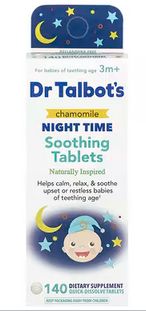
Dr. Talbot’s Nighttime Soothing Tablets (Chamomile) — a gentle and safe supplement with chamomile for children. Suitable for toddlers who become overstimulated before bedtime.
For teenagers and older children
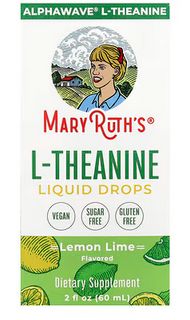
MaryRuth’s liquid L-theanine drops — an easy-to-dose liquid supplement. Lemon and lime flavor. Suitable for children and teenagers experiencing anxiety and sleep difficulties.
MaryRuth’s, liquid L-theanine drops, lemon and lime
Conclusion
Sleep problems in children are a common situation that many families face. In most cases, the cause lies in increased nervous system load, magnesium deficiency, schedule disruptions, or emotional stress.
Magnesium, melatonin, and natural adaptogens can help improve sleep, but each works in its own way. Magnesium supports the nervous system and helps the body relax, melatonin regulates the sleep cycle, and plant adaptogens gently calm and reduce anxiety.
The best strategy is to first understand the cause of poor sleep and only then choose the appropriate supplement. And of course, combine this with healthy sleep habits and a calm evening routine.
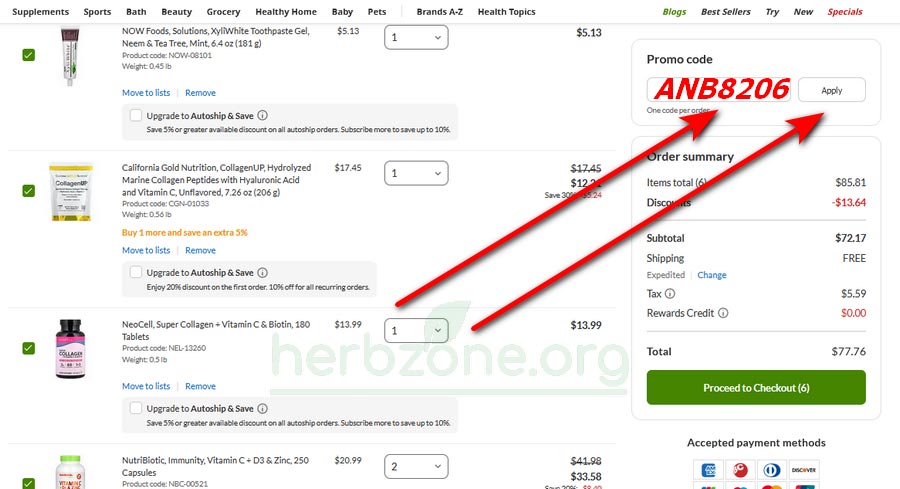
With the promo code ANB8206, you can save between 10% and 30% on every purchase.
The code is valid for multiple uses with every order!

FAQ – Choosing Sleep Supplements for Children
Why does a child sleep poorly: reasons to know?
The most common causes are magnesium deficiency, disrupted melatonin production, increased nervous system excitability, stress, hyperactivity, or an irregular daily routine. It is important to identify the underlying reason first and then choose a supplement.
Magnesium for children’s sleep: when does it really help?
Magnesium may help if the child experiences anxiety, muscle cramps, “restless legs,” difficulty relaxing before bedtime, or frequent nighttime awakenings. The best forms are magnesium glycinate and magnesium taurate.
Melatonin for children: what parents should know?
Melatonin is suitable if the child has trouble falling asleep but sleeps well once asleep. It should be used in minimal doses (0.5–1 mg) and preferably short-term to help regulate the sleep schedule.
Adaptogens for children’s sleep: chamomile, lemon balm, valerian — which to choose?
Chamomile and lemon balm are gentle options that help reduce anxiety and overexcitement. Valerian is stronger and may be better suited for older children. These herbs do not cause dependency and work well alongside magnesium.
How to determine which supplement is right for your child?
If there is muscle tension and anxiety — start with magnesium. If the main issue is falling asleep — melatonin may help. For stress and overexcitement — adaptogens are a good option. In complex cases, consult a pediatrician.
How to choose children’s sleep supplements from iHerb?
For basic support — children’s magnesium complexes. For sleep schedule adjustment — low-dose melatonin. For gentle calming — chamomile, lemon balm, or L-theanine. The choice depends on the cause of sleep difficulties.