
Most women start thinking about omega-3 only after something feels off: skin becomes dry, hair starts breaking, mood swings show up out of nowhere, and a doctor might say, “It could be a fatty acid deficiency.” Up until that point, omega-3 is often seen as “that fish oil stuff for kids” or “a heart supplement—not really for me.”
In reality, omega-3 for women is one of the few supplements backed by strong scientific evidence, and its benefits go far beyond heart health. Together with Vitaherb, we break down what omega-3 actually does for the female body, how to choose the right supplement, and when it makes sense to start taking it—not someday later, but now.
Article Outline
- What Is Omega-3 and Why It Matters for Women
- Benefits of Omega-3 for Women
- Signs of Omega-3 Deficiency in Women
- How to Choose the Best Omega-3 for Women
- How to Take Omega-3 for Women
- Who Needs Omega-3 the Most
- Contraindications and Side Effects
- Conclusion
- FAQ
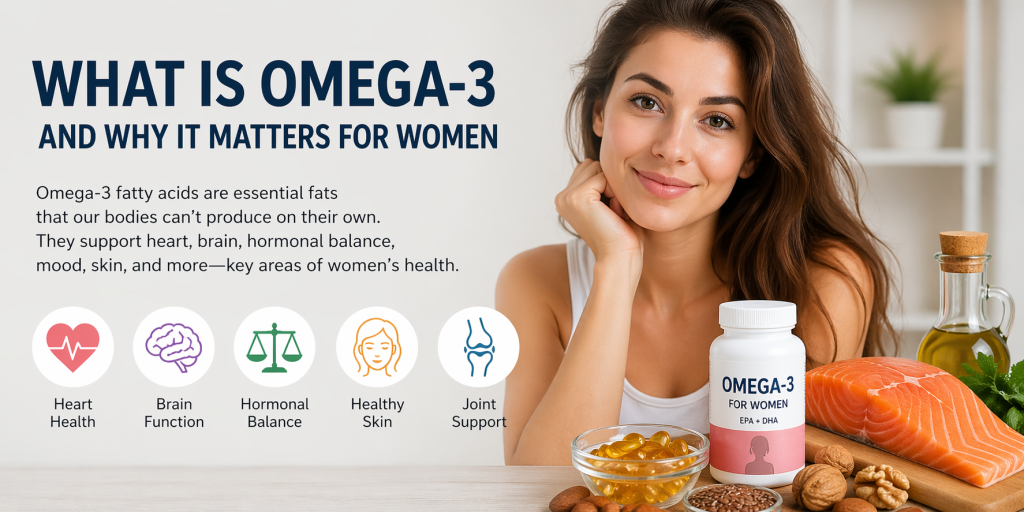
What Is Omega-3 and Why It Matters for Women
Omega-3 fatty acids are polyunsaturated fats that your body cannot produce on its own. This means you need to get them from food or supplements. The three main types include:
EPA (eicosapentaenoic acid) supports anti-inflammatory processes, heart health, and mood balance.
DHA (docosahexaenoic acid) is a key structural component of the brain, retina, and nervous system, and is especially important during pregnancy.
ALA (alpha-linolenic acid) is a plant-based omega-3 found in flaxseeds, chia seeds, and walnuts. While the body can convert ALA into EPA and DHA, the conversion rate is very low—only about 5–15%, making plant sources alone insufficient.
The female body has an increased need for omega-3 due to hormonal fluctuations during the menstrual cycle, pregnancy, breastfeeding, and menopause. Add chronic stress and a diet low in fatty fish, and it becomes clear why deficiency is so common.

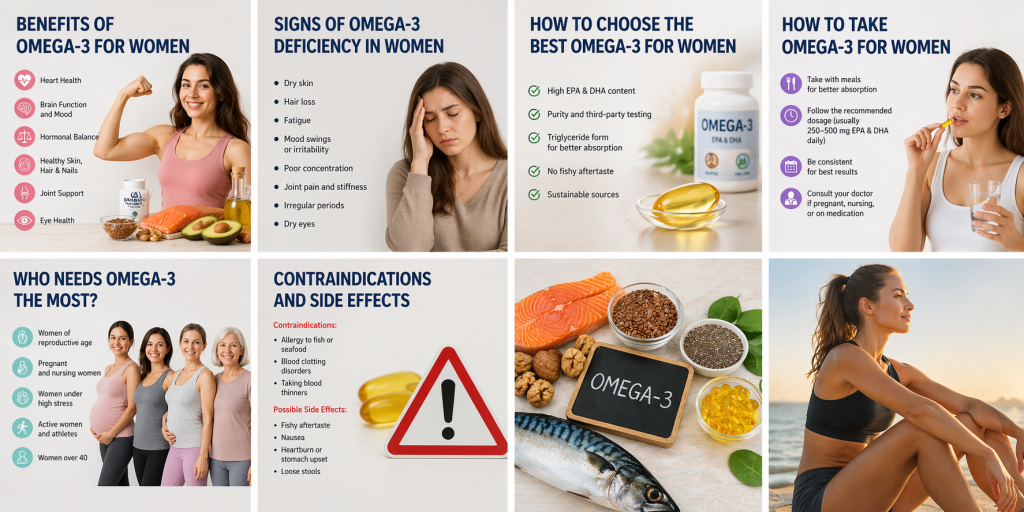
Benefits of Omega-3 for Women
Omega-3 for Skin
Omega-3 fatty acids are essential building blocks of cell membranes. When levels are sufficient, the skin retains moisture better, appears firmer, and recovers faster.
EPA and DHA help reduce inflammation that can lead to acne, redness, and irritation. If your skin reacts easily, it’s often not an allergy but internal inflammation.
Omega-3 for women also helps protect collagen, reduce UV sensitivity, and support healthy aging. It’s not a replacement for sunscreen, but it’s an important part of a complete skincare routine.
Omega-3 for Hair
Hair thinning and breakage are often linked to inflammation and poor circulation in the scalp. Omega-3 helps reduce inflammation and improves nutrient delivery to hair follicles.
With consistent use, women often notice less shedding, stronger hair structure, and improved shine. Visible results typically appear after 3–4 months.
Omega-3 for Hormonal Balance
Omega-3 influences prostaglandins—hormone-like compounds that regulate inflammation and uterine contractions. This can result in reduced PMS symptoms such as cramps, mood swings, and bloating.
For women with PCOS, omega-3 may help lower testosterone levels, improve insulin sensitivity, and reduce inflammation. While not a treatment, it is effective supportive care.
Omega-3 for the Nervous System
DHA plays a critical role in brain function. Adequate levels help the body better manage stress, reduce anxiety, and support emotional recovery.
Research shows a connection between omega-3 intake and reduced anxiety symptoms. It’s not a replacement for medication, but it provides meaningful support.
Omega-3 for Heart Health
EPA helps lower triglycerides, improve blood vessel flexibility, and support healthy blood pressure levels. This becomes especially important for women over 45.
Omega-3 is not a treatment, but it is an effective preventive tool when combined with a healthy lifestyle.
Omega-3 During Pregnancy and Breastfeeding
DHA is essential for fetal brain and vision development, especially during the third trimester, and continues to support the baby through breast milk.
Adequate intake is associated with better cognitive development and a lower risk of preterm birth. Since it’s difficult to get enough DHA from food alone, omega-3 is commonly recommended during pregnancy.

Signs of Omega-3 Deficiency in Women
Omega-3 deficiency often presents as subtle, ongoing symptoms:
- Dry, dull skin even with proper care
- Brittle hair and nails
- Mood swings and increased anxiety
- Constant fatigue
- Joint discomfort or stiffness
- Difficulty concentrating
If you recognize several of these signs, it may be time to increase your omega-3 intake.
How to Choose the Best Omega-3 for Women
Choosing the right supplement is crucial, as many products on the market are low quality.
Triglyceride form (rTG) is absorbed 50–70% better than ethyl ester (EE) form, which is common in cheaper supplements.
Always check the actual EPA and DHA content. A label may claim 1000 mg of omega-3, but only 300 mg may be active EPA and DHA. An effective daily dose is 1000–2000 mg of combined EPA and DHA.
High-quality omega-3 supplements are purified through molecular distillation and tested by third parties such as IFOS or NSF. Lack of transparency is a red flag.
Algae-based omega-3 is a great alternative for vegetarians and vegans. It provides DHA (and sometimes EPA) without the risk of heavy metal contamination.
Capsules are more stable and convenient, while liquid fish oil may absorb slightly better but requires careful storage.

How to Take Omega-3 for Women
- For general health, take 1000–2000 mg of EPA and DHA daily. For specific needs such as inflammation, PMS, or pregnancy, the dosage may increase to 2000–3000 mg.
- Take omega-3 with meals that contain fat to improve absorption. Splitting the dose between morning and evening can also be effective.
- Omega-3 works well alongside vitamin D and magnesium, making them a strong foundational combination for women’s health.
Who Needs Omega-3 the Most
- Women over 30
- Those under chronic stress
- Women with skin issues
- Hormonal imbalances such as PMS or PCOS
- Pregnant or breastfeeding women
- Anyone who rarely eats fatty fish

Contraindications and Side Effects
Omega-3 is generally safe, but consult a doctor if you take blood thinners, have upcoming surgery, allergies to fish, or diabetes.
Possible side effects include fishy aftertaste, mild digestive discomfort, or burping. Choosing high-quality or enteric-coated supplements can help avoid these issues.
Conclusion
Omega-3 for women is not a trend—it’s a daily necessity. Modern diets rarely provide enough EPA and DHA, yet these fatty acids are essential for skin, hair, hormones, mental health, and cardiovascular support.
The key is choosing a high-quality supplement with the right form, purity, and effective dosage.
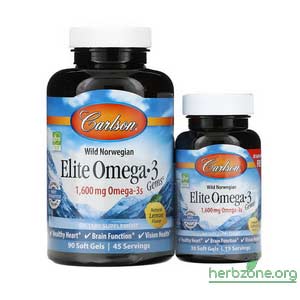
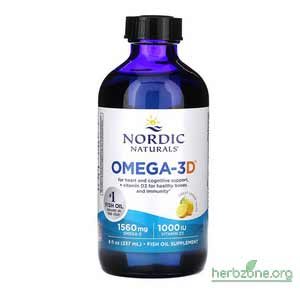
If you’re looking for a reliable option, the Vitaherb catalog offers carefully selected omega-3 supplements that meet these standards and support women’s health at every stage of life.
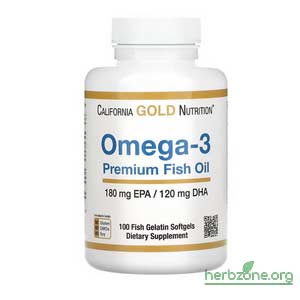
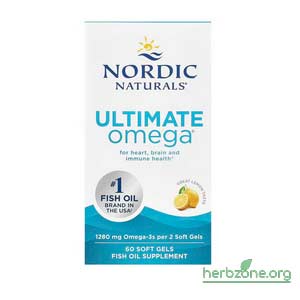
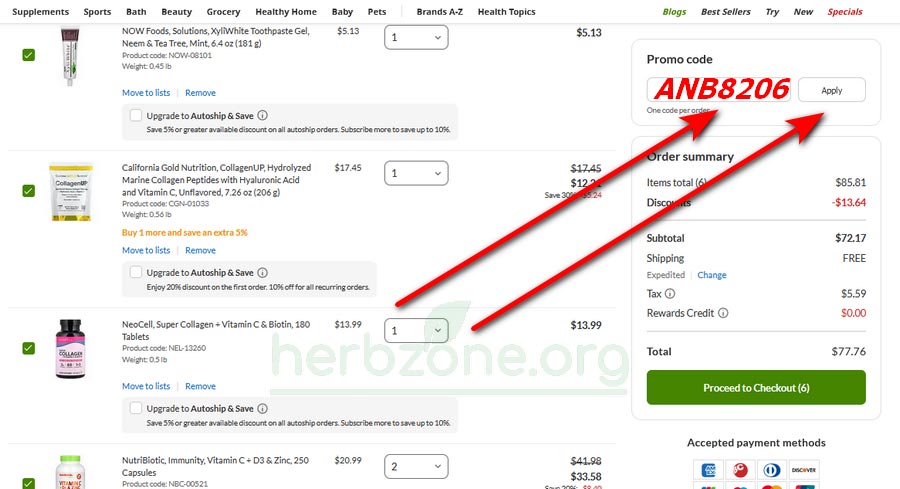
With promo code iHerbANB8206 you get a discount from 10% to 30% on your entire order.
The promo code is reusable.
Which supplement helped your child sleep better? Share in the comments — your
experience can help other parents!

FAQ Omega-3 for Women
What are the main benefits of omega-3 for women?
Omega-3 supports skin hydration, hair strength, hormonal balance, heart health, and helps reduce inflammation and stress.
How much omega-3 should women take daily?
Most women benefit from 1000–2000 mg of combined EPA and DHA daily. Higher doses may be used for specific needs.
Can omega-3 help with PMS symptoms?
Yes, omega-3 may reduce cramps, mood swings, and bloating by balancing inflammation and hormone-like compounds.
Is plant-based omega-3 as effective as fish oil?
Plant-based ALA is less effective because conversion to EPA and DHA is very low. Algae-based supplements are a better alternative.
When is the best time to take omega-3?
Take it with meals that contain fat to improve absorption. Morning or evening both work.
Are there any side effects of omega-3?
Possible mild effects include fishy aftertaste or digestive discomfort, usually linked to low-quality supplements.
Who should avoid omega-3 supplements?
People taking blood thinners, those with fish allergies, or before surgery should consult a doctor first.