
Most people think of antioxidants as something “automatically beneficial.” If it’s written on the
package, it must support the immune system. But in reality, things are a bit more complicated: there’s often a significant gap between a красивly designed label and what actually happens inside your body. At Vitaherb, we decided to break it down without marketing hype or громких promises—what antioxidants actually work, and which ones exist mainly because they sell well.
Table of Contents:
- Why the immune system needs antioxidants in the first place
- What’s actually proven: antioxidants you can trust
- Who really needs antioxidant supplements
- Antioxidant supplements from iHerb
Why the Immune System Needs Antioxidants in the First Place
Imagine your immune system as a fire department. Every time a virus or bacteria enters your body,
it rushes out to put out the fire. And like any fire crew, it uses powerful tools—in this case, free radicals, aggressive molecules that destroy invaders.
But there’s a downside. The same molecules also damage your own cells—membranes, DNA, and proteins. This is normal and unavoidable. The problem begins when there are simply too many “fires”—due to chronic stress, poor nutrition, polluted air, or just aging. At that point, damage starts to accumulate faster than your body can repair it.
Immune cells become weaker, responses slow down, and overall defense drops.
Antioxidants are the ones that clean up after the firefighters. They neutralize excess free radicals and allow the immune system to function at a normal pace instead of staying in constant emergency mode.
But—and this is where it gets interesting—the word “antioxidant” on a label doesn’t guarantee anything. There’s a huge difference between how a molecule behaves in a lab and how it actually works inside your body. And that’s exactly the gap most manufacturers prefer not to talk about.

What’s Actually Proven: Antioxidants You Can Trust
Vitamin C — an old classic that’s often underestimated
Everyone has heard of vitamin C. But most people think of it like this: “take it when you have a cold—and you might feel a bit better.” In reality, the mechanism is far more interesting.
Neutrophils—the immune cells that are first to attack an infection—accumulate vitamin C at concentrations 50–100 times higher than in the blood. That’s not a coincidence. Vitamin C protects these immune cells from damage during the fight, so they don’t “burn out” along with the pathogen.
Systematic reviews show that regular vitamin C intake reduces the duration of colds by about 8–14% in adults and up to 18% in children. Not a dramatic number? Maybe. But it’s a real, evidence-based effect—unlike most promises you see on supplement labels.
Dosage matters. The body can only absorb vitamin C up to a certain limit—around 200–400 mg per dose. Anything beyond that is largely excreted. That’s why megadoses of 2–3 grams, often promoted in marketing, don’t deliver proportional benefits. A better approach is a moderate dose taken twice a day.
As for forms: calcium or sodium ascorbate tends to be gentler on the stomach than pure ascorbic acid. Liposomal vitamin C may offer slightly better absorption, but at typical doses, the real-world difference is minimal.
Vitamin E — the overlooked protector
Cell membranes are largely made of fats. Vitamin E is a fat-soluble antioxidant that resides right there in the membrane, where it interrupts chain oxidation—a process in which one free radical damages dozens of neighboring molecules.
From an immune perspective, research in older adults is especially noteworthy. Studies show that adequate vitamin E levels improve T-cell response and enhance vaccine effectiveness in people over 65. This matters because this age group is the most in need of strong immune support.
One important detail: most supplements contain only alpha-tocopherol—just one of eight forms of vitamin E. In natural food sources like nuts, seeds, and olive oil, you get a full spectrum of tocopherols that work together. High doses of isolated synthetic alpha-tocopherol may even displace other forms. That’s why whole foods and full-spectrum vitamin E complexes often have an advantage over cheap synthetic versions.

Zinc — without it, the antioxidant system simply doesn’t switch on
Zinc doesn’t often make it onto antioxidant lists—and that’s a mistake. It is a cofactor for superoxide dismutase, one of the body’s primary enzymes responsible for neutralizing the most dangerous free radicals inside cells. Without zinc, this enzyme simply cannot function properly.
Clinical evidence for zinc in the context of the common cold is among the strongest in the entire field of immune supplements. Zinc lozenges taken within the first 24 hours of symptom onset can reduce the duration of illness by roughly one-third. The lozenge form matters: zinc needs direct contact with the throat lining, where viruses often replicate.
The form of zinc also matters: zinc gluconate and acetate are absorbed significantly better than zinc oxide. And don’t overdo the dose—25–40 mg during illness is a reasonable range. Higher amounts can paradoxically weaken immune function and interfere with copper absorption.
Glutathione and NAC — the most honest pair in this category
Glutathione is often called the “master antioxidant”—and it truly earns that title.
It plays a central role in maintaining redox balance inside every cell, protects lymphocytes, and supports the body’s natural detoxification processes.
But there’s an important nuance that manufacturers rarely mention. Regular glutathione in capsule form is largely broken down in the digestive tract before it can be absorbed. You swallow a capsule—and essentially pay for three amino acids your body could easily get from any protein-rich food.
What actually works is N-acetylcysteine (NAC). It’s a direct precursor to glutathione: your cells use it to produce glutathione where it’s needed, when it’s needed. Liposomal glutathione does show better bioavailability than standard forms—but NAC still remains the more reliable and cost-effective option based on current evidence.

Who Really Needs Antioxidant Supplements
Not everyone—and that honesty matters.
-
- Adults over 60 tend to benefit the most: with age, the body becomes less efficient at producing its own antioxidant enzymes and absorbing fat-soluble vitamins. This is the group where clinical studies show the most noticeable effects.
-
- Smokers and people living in large cities with poor air quality experience higher oxidative stress—vitamin C needs alone can increase by at least 35 mg per day due to smoking.
-
- People under chronic stress use up vitamin C much faster through adrenal activity. This isn’t a metaphor—it’s basic physiology.
-
- Those recovering from serious illness or surgery may also have increased needs—but in such cases, it’s better to consult a healthcare professional rather than rely on self-diagnosis.
-
- Vegans and people on restrictive diets—due to a higher risk of deficiencies in zinc, vitamin E, and selenium.
If you didn’t recognize yourself in these groups, it doesn’t mean supplements are off-limits. But it does mean they’re not a basic necessity without which your immune system “can’t function.”
What’s often sold as “antioxidants,” but is mostly marketing
Blended “antioxidant complexes” without clear dosages, exotic plant extracts with minimal clinical evidence, or supplements promising “cellular-level detox”—these are the products that tend to sell well, not necessarily the ones that deliver measurable results.
An antioxidant is not a label—it’s a function. And if a compound doesn’t reach your cells in the right form and dose, it effectively doesn’t exist for your body.

Conclusion
Antioxidants are not magic—and they’re not a universal shield against every disease. They’re a tool. And like any tool, they only work when used at the right time, in the right form, and at an appropriate dose. The good news is that supporting your immune system doesn’t require buying half of the iHerb catalog—it requires understanding the basics and not falling for exaggerated claims.
The bad news? Marketing in this space often works better than many of the supplements themselves. So the most valuable thing you can do for your immune health is not to chase the “strongest antioxidant,” but to learn how to distinguish what actually works from what simply looks good on the shelf.
Antioxidant Supplements from iHerb
To support your body’s antioxidant defense system, there are several well-known and effective supplements. Below is a brief overview of each antioxidant along with a link to an iHerb product.
1. Vitamin C
-
- How it works: One of the most powerful antioxidants, helping protect cells from damage while supporting immune function.
-
- Forms: Ascorbic acid, buffered forms, esterified vitamin C.
-
- Sources: Acerola cherry, rose hips, as well as synthetic tablets and powders.
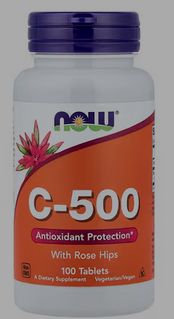
- How it works: Protects cells from oxidative damage, supports skin and hair health, and helps reduce inflammation.
- Forms: Alpha-tocopherol, tocotrienols (a more potent form of vitamin E).
- Sources: Vegetable oils, nuts, as well as capsules and oil-based supplements.
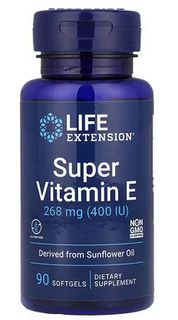
Beta-Carotene (Provitamin A)
- How it works: Supports eye health, skin integrity, and immune function while improving overall antioxidant status.
- Forms: Carotenoid in tablet or capsule form, converted into vitamin A in the body.
- Sources: Carrots, pumpkin, sweet potatoes, and beta-carotene supplements.
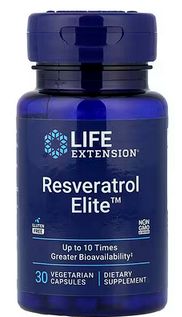
Resveratrol
- How it works: Supports cellular longevity, has anti-inflammatory properties, and helps protect cardiovascular health.
- Forms: Found in extracts from red wine, grapes, and berries.
- Sources: Grape-based supplements, berries, and natural powders.
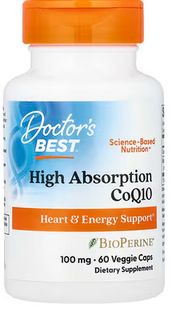
Coenzyme Q10
- How it works: A powerful antioxidant that supports cardiovascular health and helps generate cellular energy.
- Forms: Coenzyme Q10 (ubiquinone), ubiquinol (active form).
- Sources: Fish, spinach, nuts, as well as capsules and softgels.
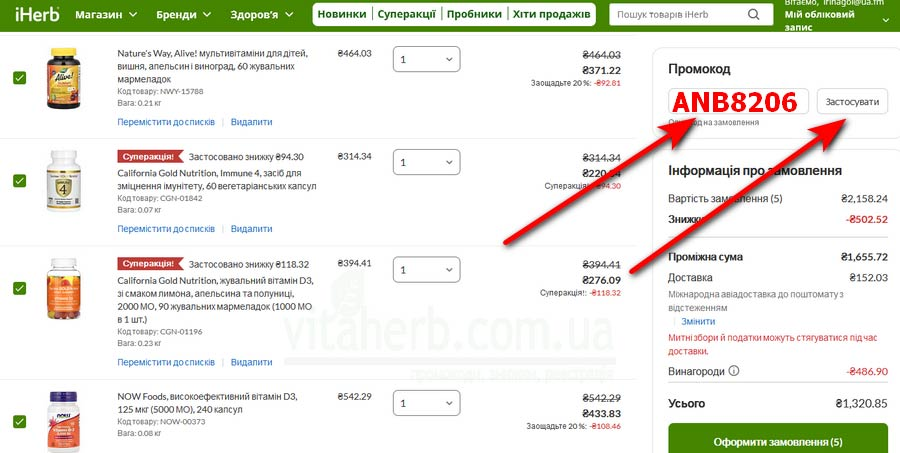
With the promo code iHerbANB8206 you can get a 10% to 30% discount on your entire order.
This promo code can be used multiple times.
Which supplement helped your child sleep better? Share your experience in the comments—other parents may find it helpful!
FAQ Antioxidants for Immunity: What Actually Protects Your Body
Does everyone need to take antioxidants?
No. They are especially beneficial for people over 60, smokers, those under chronic stress, or during recovery after illness. For others, they are not essential.
Does vitamin C help with a cold?
Yes, but moderately: it reduces the duration of illness by about 8–14%. It works best when taken regularly, not just once.
Is there any benefit to high doses of vitamin C?
No. The body can only absorb a limited amount (about 200–400 mg per dose), and any excess is simply excreted.
Which is better: glutathione or NAC?
NAC is generally more effective. It helps the body produce its own glutathione, while regular glutathione supplements have low bioavailability.
Do “antioxidant complexes” really work?
Often not. Without clear dosages and strong evidence, they are more about marketing than real results.